 Avant architects & interior designers
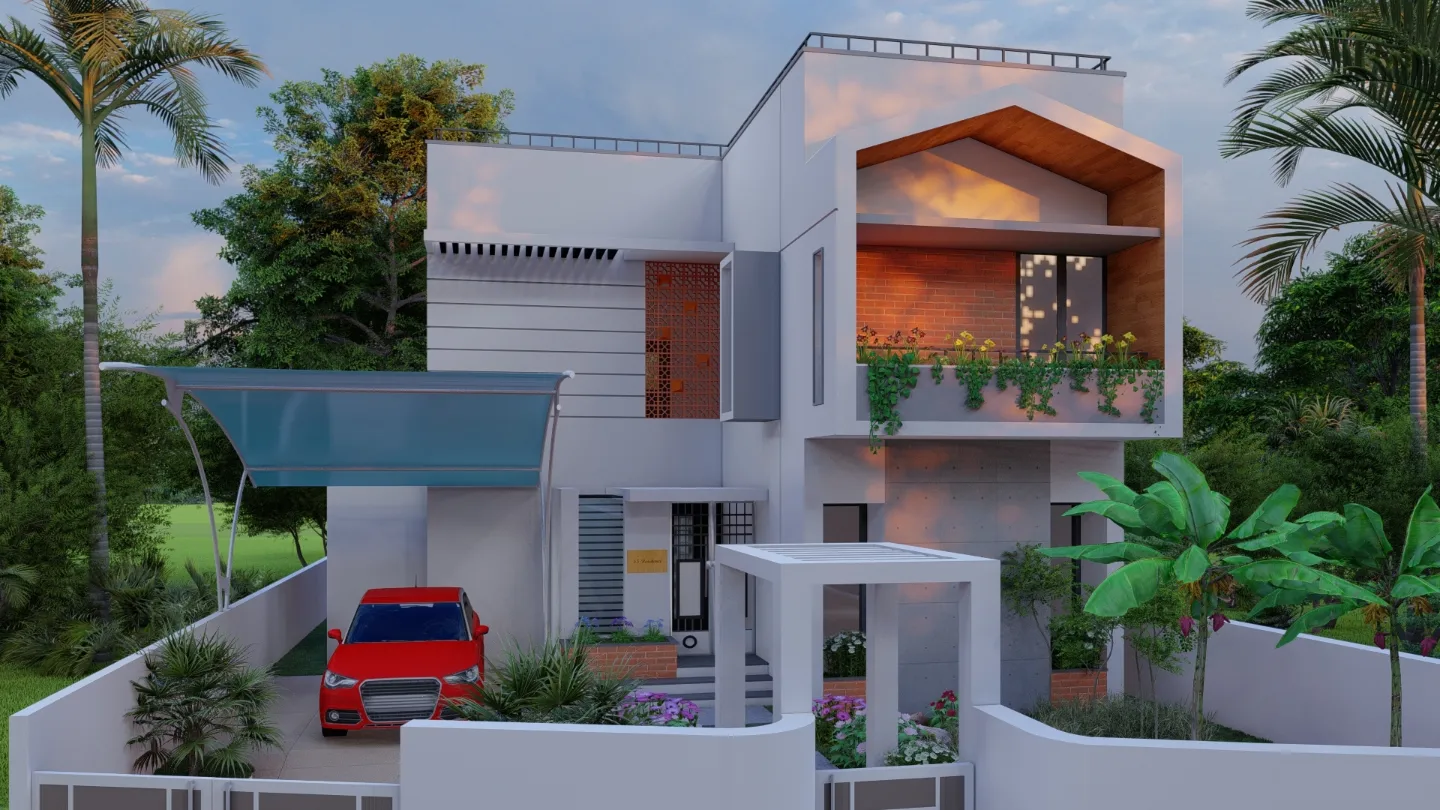
Front elevation architecture often incorporates double-skin facades, using an outer layer of decorative metal or terracotta to provide a sophisticated aesthetic while acting as a primary thermal buffer. Many designers experiment with slanted geometric planes and sharp angles to create a sense of forward motion, breaking away from the standard rectangular box shape. By integrating recessed LED channels into the structural joints, the elevation can be highlighted at night to reveal architectural depths and textures that are invisible during the day.